How to Troubleshoot Common Furnace Problems Before Calling for Repair
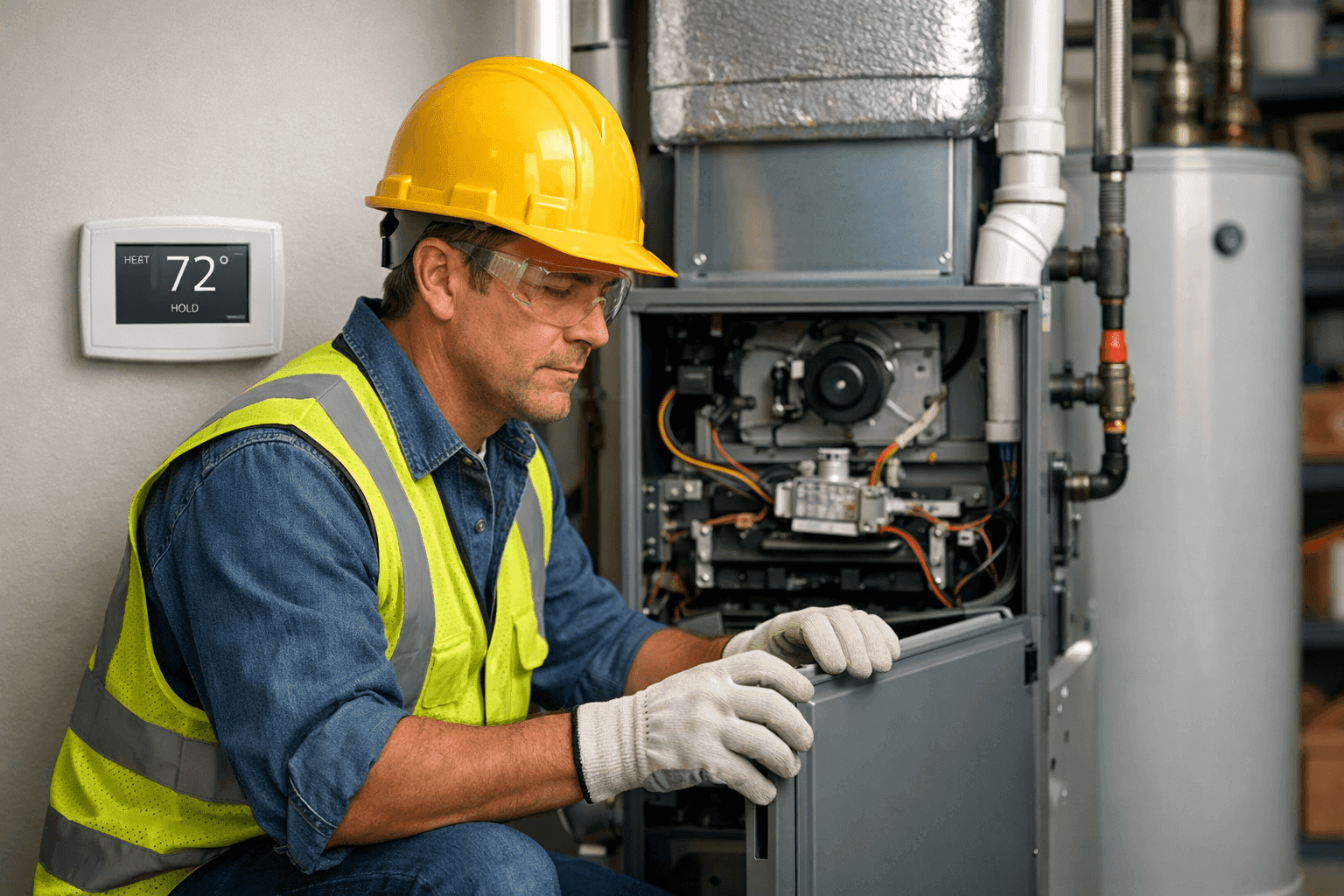
When winter winds pick up in Dublin, CA, a reliable furnace isn't just a comfort—it's a necessity. But what happens when your furnace falters just as the cold sets in? At Bay Area HVAC, we know how stressful that can feel. Before you bundle up and brace for a chilly night, there are safe, practical steps you can take to troubleshoot common furnace problems—sometimes averting unnecessary downtime or a midnight repair call.
Our licensed technicians have seen it all, from simple fixes to complex issues. Here’s how you can check your furnace and heating system—safely—before reaching for the phone.
Recognizing Common Furnace Problems 🛠️
Furnaces have a way of signaling distress, even if you aren't fluent in "HVAC." Here are some of the most common symptoms:
- No heat or air blowing cold: The room feels like the inside of a refrigerator.
- Short cycling: The furnace turns on and off rapidly, like a car engine sputtering.
- Odd noises: Banging, rattling, or squealing can mean trouble.
- Unusual smells: Musty, burning, or chemical odors are warning signs.
- Thermostat issues: The display is blank, or the temperature never seems right.
Each of these signs could have a quick fix—or point to something more serious. But first, let’s walk through some safe diagnostic steps.
DIY Diagnostic Steps (No Heat, Short Cycling, Odd Noises)
Sometimes, a furnace problem is as simple as a flipped switch. Here’s how to check the basics:
1. Thermostat Settings
- Is it on "HEAT"? Double-check the mode.
- Set above room temp: Try bumping it up 2–3 degrees.
- Fresh batteries: If your thermostat is battery-powered, swap them out if the screen is blank or fading.
2. Circuit Breakers
- Go to your electrical panel.
- Look for tripped breakers labeled “Furnace” or “HVAC.”
- Flip any tripped breaker fully off, then back on.
3. Air Filters
- Dirty filters are like running a marathon with a stuffy nose.
- Slide out the filter (usually behind a panel).
- If it’s gray, clogged, or hasn’t been changed in 1–3 months, replace it.
4. Pilot Light or Igniter (Gas Furnaces)
- Peer through the small glass window near the burner.
- No flame? Your pilot may be out. (Follow manufacturer's instructions for relighting—or call a pro if you smell gas.)
5. Listen and Sniff
- Banging/clanging: Could be loose parts or ducts.
- Whistling: Airflow problems—check filters and vents.
- Burning or rotten egg odor: Stop! Leave the area and call for help—this could signal a gas leak.
Quick Fixes vs. Professional Help
Knowing when to try a fix—and when to call Bay Area HVAC—is key:
Safe DIY Fixes:
- Resetting the thermostat
- Changing air filters
- Checking and resetting breakers
- Ensuring vents are open and unobstructed
Call a Professional When:
- You smell gas or chemicals
- The pilot light won’t stay lit
- Odd noises persist after basic checks
- The furnace won’t turn on after resetting breakers and thermostat
- You see water pooling near the furnace
- Electrical components are exposed or damaged
Safety is always the top priority. If you're unsure or uncomfortable, it’s time for a licensed technician—especially with gas systems or persistent electrical issues.
Safety Considerations (Gas/Electric Systems) ⚡
Furnaces can be as safe as a seatbelt—or as dangerous as a live wire—if mishandled. Always:
- Shut off power before handling any panels.
- Never attempt repairs on gas lines or electrical wiring.
- If you suspect a gas leak, exit the area and call your utility provider or 911 from a safe distance.
- Keep combustible materials away from your furnace.
- Reference your unit’s manual, or check the California Department of Consumer Affairs for homeowner safety guidelines.
Dublin, CA: Seasonal Heating Concerns
Here in Dublin, winter nights can drop quickly. Local homes and businesses often see a surge in furnace issues during the first cold snap of the year—usually because the system has been dormant for months. Dust buildup, clogged filters, and thermostat glitches are especially common.
Consider scheduling a professional inspection every fall, before heavy heating season. This small step can keep your system humming all winter long and help prevent emergency breakdowns.
When to Call for 24-Hour Emergency Service 🚨
Some furnace problems simply can’t wait:
- No heat during freezing temperatures (especially if there are elderly, young children, or health concerns in the home)
- Persistent burning or gas odors
- Repeated breaker trips
- Unusual, loud noises from the furnace or vents
- Smoke, sparks, or water leaks near the unit
Bay Area HVAC offers 24 Hour Emergency Service in Dublin and surrounding communities—so you’re never left in the cold.
Related Services
If your furnace issue needs more than a quick fix—or you want to keep it running at peak performance—learn more about our Furnace Repair and Heating Repair services.
FAQs
Why does my furnace keep shutting off?
This is called "short cycling." Common causes include a dirty air filter, a faulty thermostat, or overheating due to airflow restrictions.
How often should I replace my air filter?
Most homes need a new filter every 1–3 months, but check monthly during heavy use.
My thermostat is blank. What should I do?
Replace the batteries. If that doesn’t help, check the circuit breaker or call for service.
Is it safe to relight my pilot light?
Only if you follow manufacturer instructions and do not smell gas. If you’re unsure, call a professional.
A Final Note: Prevention & Maintenance
Most furnace breakdowns in Dublin, CA can be prevented with regular maintenance. Schedule annual tune-ups, keep filters clean, and don’t ignore small warning signs. Trust your instincts—if something feels off, it probably is.
Your comfort and safety matter. If you’ve tried these steps and your furnace still isn’t working, or if you’re facing an urgent problem, don’t hesitate.
Call Bay Area HVAC now — or reach us anytime at (925) 489-0884 .